

LEV MÉS · Materials
Zircon
Zircon is a natural mineral encountered both as a coloured gem and in research into the history of the Earth. 1 3 5

Reading the formula
ZrSiO₄ 9
Zirconium silicate 10
Zirconium
Silicon
Oxygen × 4
Zr stands for zirconium, Si for silicon and O for oxygen. Their ratio is 1:1:4. Zircon is therefore a different material from cubic zirconia, whose base composition is ZrO₂. 10
Material classification is not an analysis of an item of jewellery offered for sale.
Formation and properties
A distinct material with its own name
Zircon has the chemical formula ZrSiO₄ and occurs naturally. 1
The similar-sounding name cubic zirconia refers instead to manufactured cubic zirconium dioxide. Zircon and cubic zirconia are different materials. 2
Documented country examples
Two GIA collection records show reddish-orange and yellowish-green zircon. Cambodia and Sri Lanka respectively are the recorded localities of these examined gems. 3 4
TanzaniaProvenance of a museum specimen
Smithsonian NMNH G10653 6
Country areas provide orientation. Records may concern occurrences, examined specimens or collection objects; each country states its role. No mine locations or confirmation of the origin of our jewellery.
A large gem in a museum
The jewellery side of the material is represented by Smithsonian specimen NMNH G10653, an orange-brown, cushion-cut 30-carat zircon. The collection records Tanzania as its origin and acquisition in 2010 with Tiffany & Co. Foundation funds. 6
A stone for December
GIA lists zircon as a December birthstone. Its own explanation highlights blue colours recalling turquoise. This present-day calendar association gives the stone a personal occasion, such as a birthday gift. 7
What this source establishes
The month association describes GIA’s current birthstone calendar.
Wearing and care
Everyday care
Protect zircon from hard blows and rubbing against other materials. GIA recommends warm soapy water, but not ultrasound or steam. 8
The complete piece
This recommendation concerns the named material. Jewellery also requires consideration of its setting, coating, string and other components.
From material to jewellery
Zircon in jewellery
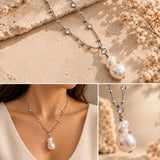
Selected by the material name used in the shop. This link does not identify an individual stone or confirm its treatment or origin.
Sources and locators
The numbers lead to the source records. Open an entry for the original source, its role and the relevant passage.
1 Structure and character · Historical original text
2 Structure and character · Source record
3 Documented country examples · Collection record
4 Documented country examples · Collection record
5 A closer look · Original research
Hadean age for a post-magma-ocean zircon confirmed by atom-probe tomography (opens in a new tab)
6 The material’s history · Collection record
7 Tradition and meaning · Current institutional classification
Is any color of zircon a birthstone for December? (opens in a new tab)
8 Wearing and care · GIA care guidance
9 Composition · Nomenclature
10 Composition · Original research
Kurt Nassau · Cubic Zirconia: an Update · 1981 (opens in a new tab)
Additional references and detail
A tiny archive of Earth’s history
An individual zircon can preserve exceptionally ancient geological history. A study published in 2014 supported an age of about 4.4 billion years for one grain: the lead-rich nanoclusters described in the abstract did not bias its uranium-lead dating. That age belongs to that grain, rather than to gem zircons in general. 5
From the Urals to the X-ray laboratory
In 1926 W. Binks used natural zircon crystals for an early X-ray investigation. A yellowish-brown crystal used for spectrometer measurements came from the Urals. The locality of other small brown crystals was unknown. His work belongs to the early investigation of zircon’s atomic arrangement. 1
Weights and structure of the collection gems
Zircon in your jewellery
The origin, age and treatment of a particular gem depend on its own documented material information.
Limits of this information
The examples concern the specimens, objects and sources named. They do not establish the origin, treatment or health effects of a specific item of jewellery.