

LEV MÉS · Materials
Gold
Gold has the chemical symbol Au. The pure metal is soft and characteristically yellow. In jewellery it appears both in alloys and as a thin covering on other metals. 1 2
Reading the formula
Au 9
Chemical element 1
Gold
Alloy
Coating
Au is the chemical symbol for gold. An element symbol describes the pure metal. Alloys and coatings need additional material information. 1
Material classification is not an analysis of an item of jewellery offered for sale.
Formation and properties
Structure and character
Understanding colour and fineness
Gold is alloyed with other metals to alter colour and strength. Fineness states the declared gold content in parts per thousand: 750 nominally represents 75.0 per cent gold, and 585 represents 58.5 per cent. The number alone does not identify the remaining metals. 3 4
Distinguishing gold alloy from gilding
Gilding covers another metal with gold, so a gilded object is not gold throughout. Pure gold’s stability does not transfer unchanged to every alloy: according to the Canadian Conservation Institute, silver and copper components in gold alloys can tarnish in sulfur-containing gases. 2
Documented country examples
Smithsonian specimen NMNH 176204 shows what gold can look like before working. The museum records the Mockingbird Mine in California as the locality of this crystallized gold. That collection locality belongs to this specimen, not to a modern jewellery item’s supply chain. 5
United StatesLocality of a collection specimen
Mockingbird Mine, California 5
Country areas provide orientation. Records may concern occurrences, examined specimens or collection objects; each country states its role. No mine locations or confirmation of the origin of our jewellery.
A crescent in fine metalwork
the eleventh–twelfth century 6
A gold earring in the British Museum takes us to the eleventh–twelfth century. Crescent-shaped object OA+.7457 combines filigree and granulation. The museum assigns it to the Fatimid period and gives Egypt or Syria as possible places of manufacture. This does not establish the source of its gold. 6
Gold as an image of precious love
A gold ring from Carriden in National Museums Scotland bears the inscription “My love like this”. The museum dates K.2010.45 to the seventeenth century and suggests that the words may compare love with the metal: precious and enduring like gold. 7
What this source establishes
This meaning belongs to the inscription and collection object described.
Wearing and care
Everyday care
The Canadian Conservation Institute warns that polishes can damage gilding. Cleaning must therefore take account of the coating, setting and other materials in a piece. A silver polish is not a general care recommendation for gold-plated jewellery. 8
Jewellery in gold-plated 925 silver
 Baroque Pearl Necklace with Emerald
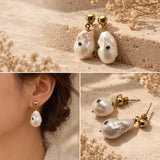 Baroque Pearl Earrings with Emerald
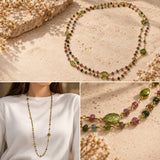 Carved Tourmaline Necklace
 Black Tourmaline Ring


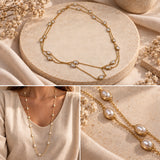
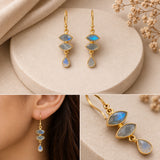
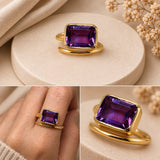
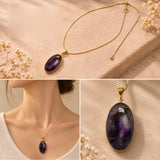
Selected by the material description in the shop.
Sources and locators
The numbers lead to the source records. Open an entry for the original source, its role and the relevant passage.
1 Composition · Institutional reference
Gold — Element information, properties and uses (opens in a new tab)
2 Structure and character · Institutional reference
Caring for metal objects — Preventive conservation guidelines for collections (opens in a new tab)
3 Structure and character · Institutional reference
Hallmarking: practical guidance — summary (opens in a new tab)
4 Structure and character · Institutional reference
Gesetz über den Feingehalt der Gold- und Silberwaren (opens in a new tab)
5 Documented country examples · Collection record
6 The material’s history · Collection record
7 Tradition and meaning · Collection record
I am yours:11 Scottish posy rings — object K.2010.45 (opens in a new tab)
8 Wearing and care · Institutional reference
Silver — Care and Tarnish Removal, CCI Notes9/7 (opens in a new tab)
9 Composition · Nomenclature
Limits of this information
The examples concern the specimens, objects and sources named. They do not establish the origin, treatment or health effects of a specific item of jewellery.